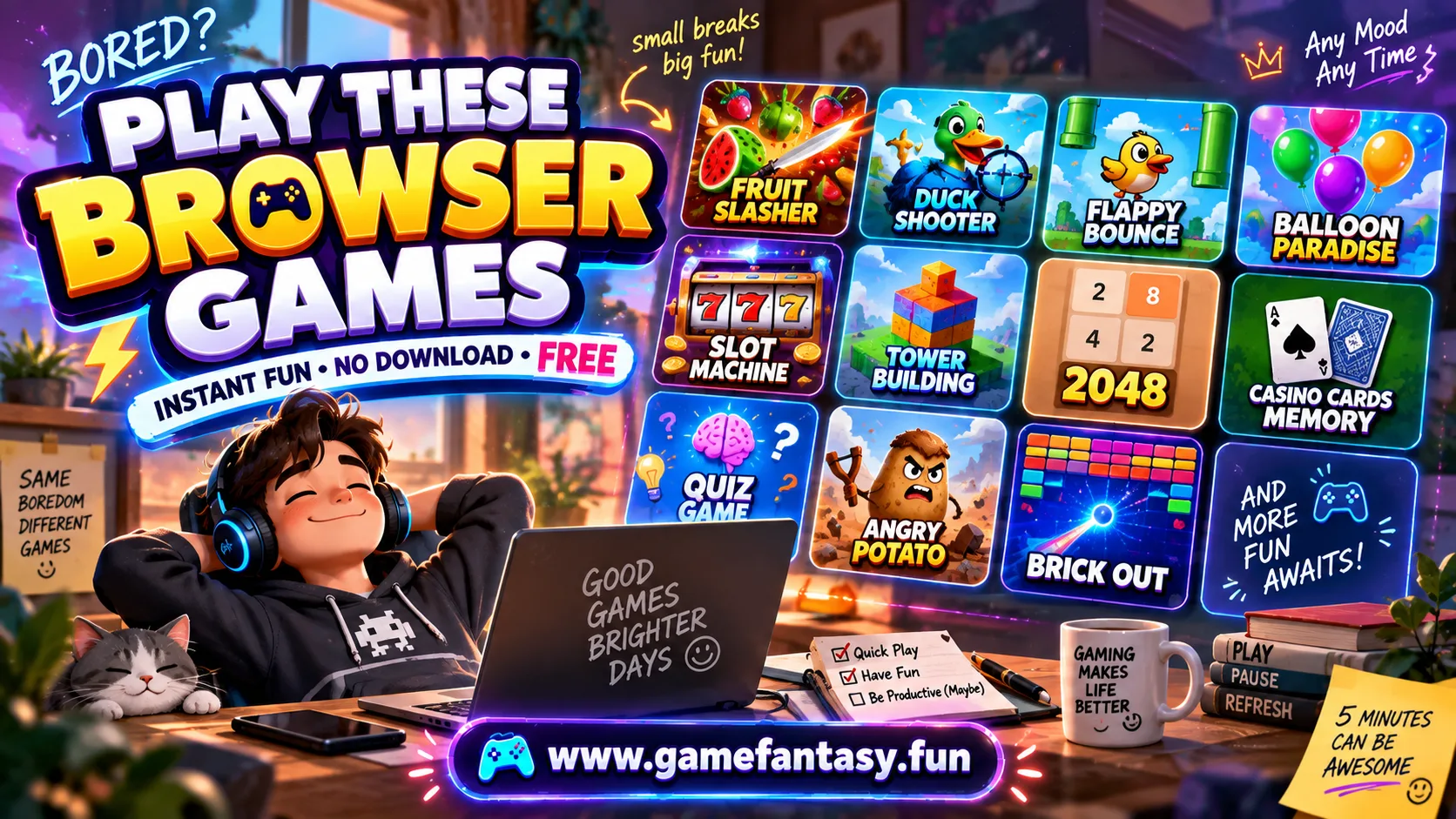
A short break works better when the game has a stopping point you choose in advance. No game here is guaranteed to finish in five minutes. A quick attempt can become several retries, while a board game may take much longer.
One arcade attempt: Tower Building
In Tower Building, click or tap to drop a swinging floor onto the stack. Try one run and compare how centered your placements were rather than restarting automatically after every miss.
Watch a full swing before a difficult drop. Accuracy gives the next floor a better base and is easier to evaluate than a vague goal of “playing faster.”
One small puzzle: 0h h1
0h h1 offers two-color logic boards. Choose a smaller board and apply the rules about triples, equal color counts and unique rows or columns. Stop after the puzzle rather than starting a larger one immediately.
One deliberate sequence: 2048
In 2048, set a process goal such as keeping the largest tile in one corner. You do not need to reach 2048 during the break to practice that decision.
Think before reversing the board direction. A small tile entering a protected corner can make the next several moves less useful.
Check controls before starting
Choose pointer-based games if you do not have a keyboard. Racing demos and some older platformers need keys even though they load in a mobile browser. A loaded title screen does not establish that the whole game is usable on that device.
Stop without losing track
Use an in-game pause if provided. The page’s Restart button reloads the game and may lose the current run; opening another tab does not transfer an active game into it. Set your stopping point before you press Play.